

Travel changes more than your sleep schedule. Cabin air, disrupted routines, sunscreen, humidity, sweat and unfamiliar products can leave skin feeling dry in one area and congested in another.
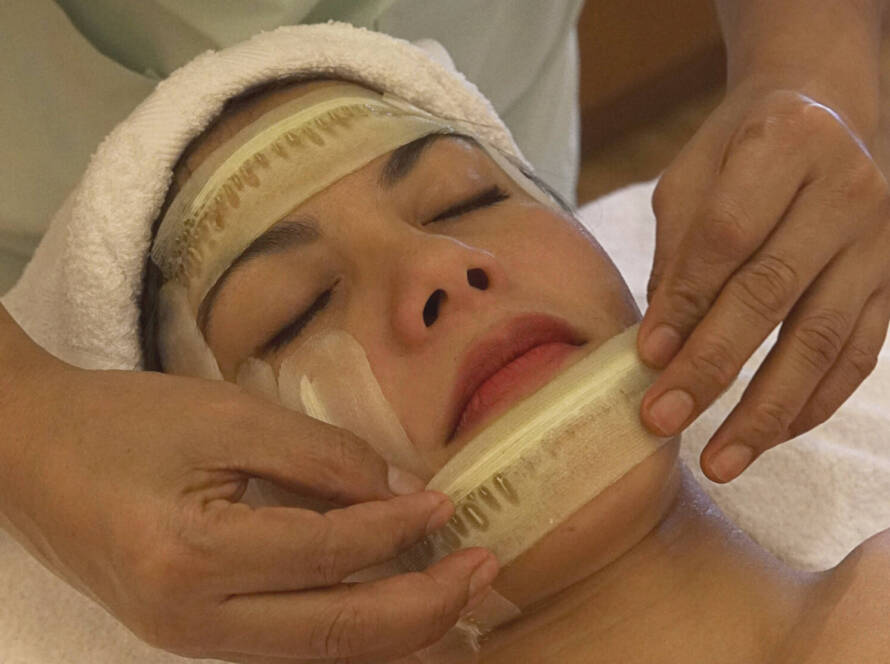
“Tired travel skin” is not a medical diagnosis. It is a useful description for skin that looks dull, feels tight or behaves differently after a journey. The best facial is not necessarily the strongest treatment. It is the one that responds to the skin in front of the therapist that day.
Why Skin Can Feel Different After Flying
Aircraft cabins have low humidity, and travel often involves long periods without normal cleansing or moisturising. Sleep disruption and changes in food, climate and routine add to the sense that the face looks less refreshed.
After arrival in Bali, skin may move quickly from dry cabin conditions to tropical heat and humidity. Sunscreen, sweat and pollution can then accumulate if cleansing is rushed.
The American Academy of Dermatology recommends keeping travel skincare close to the routine your skin already tolerates, moisturising when dry and using broad-spectrum, water-resistant SPF 30 or higher.
Common Travel-Skin Concerns
- Tightness or dry patches.
- Dull appearance.
- Puffiness after poor sleep.
- Congestion from sweat and sunscreen.
- Increased sensitivity from using unfamiliar products.
- Dehydrated-feeling skin despite surface oil.
Persistent rash, severe swelling, pain or signs of infection require appropriate healthcare advice rather than a cosmetic facial.
Hydrating or Deep Cleansing?
A hydrating facial may suit skin that feels tight, dry or depleted after travel. A deep-cleansing approach may be considered when oil, sunscreen and buildup are the main concerns.
Many guests have combination needs. Aggressive extraction or exfoliation is not automatically appropriate simply because the skin looks dull. Your recent use of retinoids, acids, acne medication and professional procedures should be discussed first.
Swarna’s facial and skincare articles explore how Bali’s humidity, sunscreen and daily routine can affect the skin.
What to Tell the Facial Professional
Before treatment, mention:
- When you arrived and how the skin changed.
- Known sensitivities or allergies.
- Prescription or active skincare products.
- Recent peels, lasers or cosmetic procedures.
- Sunburn or prolonged sun exposure.
- Your normal skin type and routine.
This information helps the service remain personalised rather than relying on a generic “travel facial.”
A Gentle 24-Hour Reset
Before adding many new products, return to basics:
1. Cleanse gently.
2. Apply a familiar moisturiser.
3. Use appropriate sun protection.
4. Avoid picking or harsh scrubbing.
5. Sleep according to the local schedule when possible.
6. Book a facial only after assessing sunburn and sensitivity.
Avoid the Temptation to “Fix Everything” at Once
Travel skin often encourages product experimentation: a scrub for dullness, an acid for congestion, a new mask for dryness and a spot treatment for breakouts. Layering unfamiliar active products can make it harder to understand what the skin actually needs and may increase irritation.
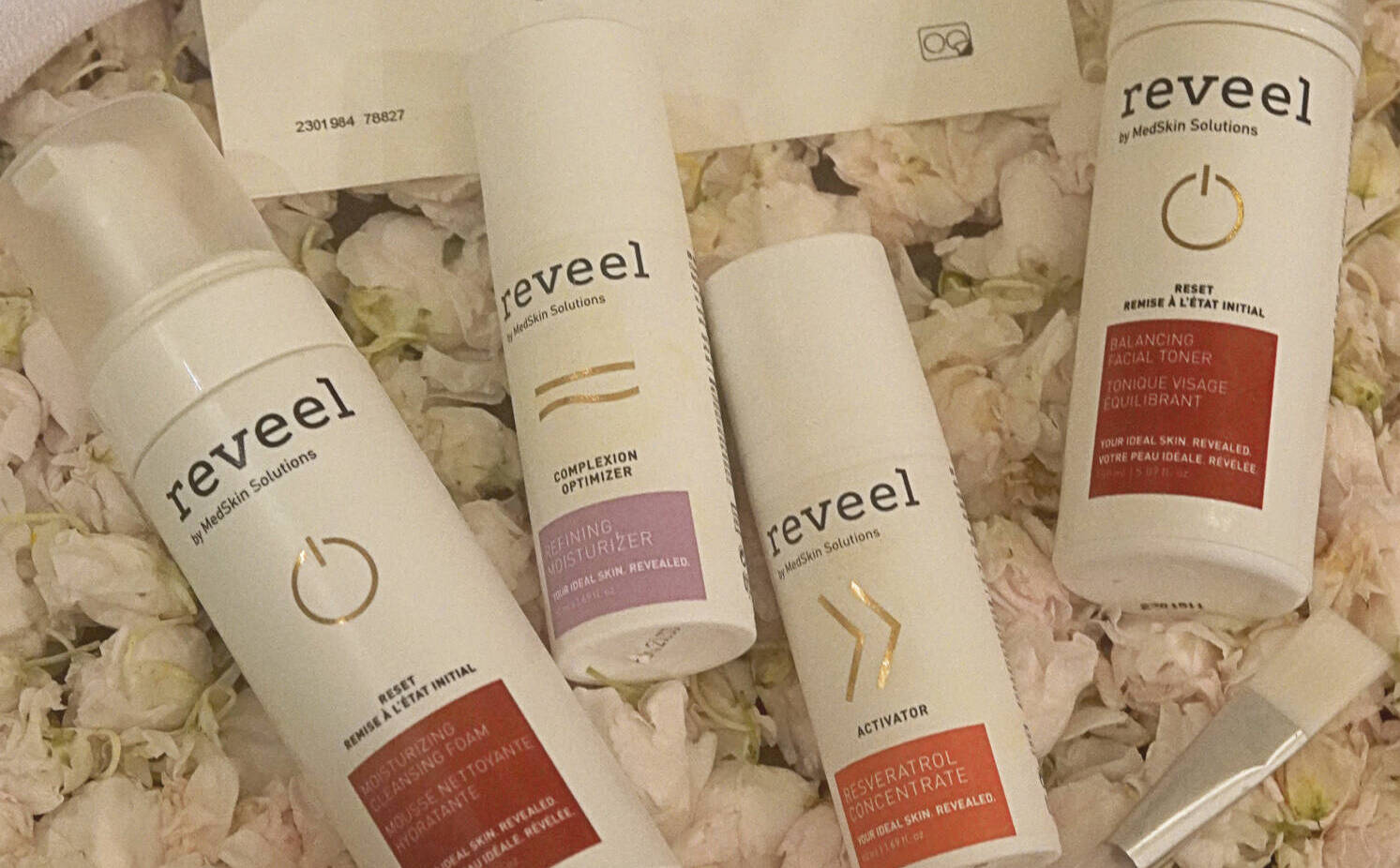
Return to a short, familiar routine before adding another treatment. If you book a facial, bring a list or photographs of the products you use regularly, especially retinoids, exfoliating acids, benzoyl peroxide and prescription creams. This helps the facial professional avoid unnecessary overlap.
Do not plan an aggressive facial simply because an event is approaching. A calm, well-tolerated treatment may be a better pre-event choice than strong exfoliation with uncertain downtime. Personalisation means responding to the condition and schedule of the guest, not applying the same “glow” protocol to everyone.
Plan the Rest of the Day
After the facial, follow the provided aftercare and minimise unnecessary sun exposure. Keep the routine simple, use appropriate sunscreen and avoid testing several new products that evening. If temporary redness is expected, leave space before photographs, dinners or important meetings.
Facial Care at Swarna Canggu
Swarna Spa & Wellness Canggu offers face and body care within its Pererenan wellness and beauty destination. This allows a facial to be booked on its own or included in a slower wellness day.
Read the complete guide to Swarna treatments if you are deciding between facial, massage, hair or nail care. For a less crowded itinerary, the Canggu wellness-day guide provides a useful planning framework.
Rebuild the Routine Before Adding Intensity
Travel can change skin through dry cabin air, unfamiliar products, sun, sweat and disrupted routines. The first response does not need to be the strongest available facial. Start by returning to a gentle cleanser, familiar moisturiser and broad-spectrum sun protection. The American Academy of Dermatology recommends keeping travel skincare close to the routine used at home because fragranced or unfamiliar hotel products can trigger irritation.
Before a facial, explain what happened during the trip: flight duration, recent sunburn, swimming, new products, active breakouts and any prescription skincare. This context is more useful than describing the skin only as “tired” or “dull.” If it stings, is visibly inflamed or has an unexplained rash, postpone cosmetic treatment and seek appropriate advice.
After the appointment, avoid introducing several new actives at once. Use the provider’s aftercare, protect the skin from the sun and watch how it responds. Guests choosing between moisture support and pore-focused care can continue with Swarna’s comparison of hydrating vs deep-cleansing facials.
Book a Facial Based on Today’s Skin
Do not choose only from the skin you usually have at home. Describe how travel, sun and climate have affected it now. The Swarna team can explain current facial options and help you select an appropriate service.
View available appointments and book through Swarna’s official Zenoti page.
FAQ
Can a facial cure jet lag?
No. A facial supports skincare and relaxation; it does not reset the body clock.
Should I book a facial immediately after landing?
You can, but first assess sun exposure, sensitivity and how your skin feels. A gentle approach may be more comfortable after a long journey.
Is dull skin always caused by dehydration?
No. Dullness can have several causes. Avoid self-diagnosis and share your routine and recent changes during consultation.