

Landing in Bali after crossing several time zones can produce an odd combination: a tired body, an alert mind and a sleep schedule that no longer matches the clock. It is tempting to search for one treatment that will “fix” jet lag immediately.
Massage can support relaxation and make ordinary travel stiffness feel more comfortable, but it does not reset the body’s circadian rhythm by itself. A realistic plan combines sleep timing, daylight, hydration, movement and a treatment that matches how you feel.
What Jet Lag Actually Is
The US Centers for Disease Control and Prevention describes jet lag as a mismatch between a person’s normal daily rhythm and a new time zone. It can affect sleep, mood, concentration and physical performance, particularly after crossing multiple time zones.
The body’s clock adjusts through cues such as light and sleep timing. That is why a massage should be seen as supportive self-care rather than a cure.
What Massage May Add to the Arrival Routine
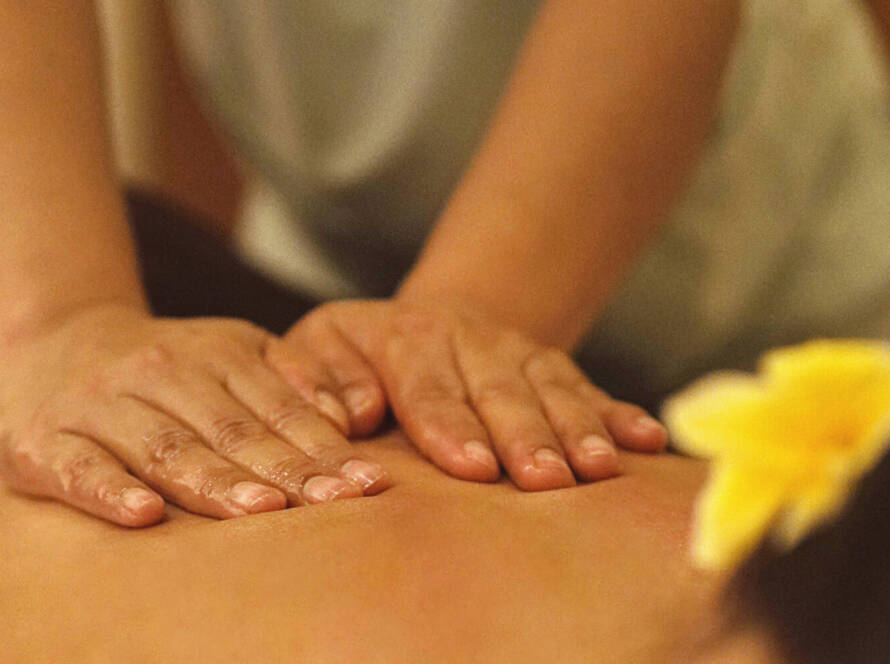
After flying, many travelers report stiffness from prolonged sitting, especially around the back, shoulders, hips and legs. Massage provides a structured period to slow down and can be chosen for general relaxation or ordinary muscular tension.
According to the National Center for Complementary and Integrative Health, massage involves manipulating soft tissue and may support relaxation and short-term comfort for some conditions. Evidence varies, and massage should not replace medical care.
For travel fatigue, the practical value may be simple: you stop moving between airports, transfers and hotel logistics long enough to rest.
Choose Pressure Conservatively After Travel
A very strong massage is not automatically better after a long flight. If you feel depleted, dehydrated or sensitive, a gentler session may be more comfortable. Tell the therapist how long you travelled, where you feel tension and whether you have swelling, pain or a health concern.
Read Swarna’s comparison of hot stone and deep tissue massage before choosing a style. The article explains why warmth-led relaxation and targeted firm pressure serve different goals.
Seek medical advice for one-sided swelling, chest pain, breathing difficulty or other concerning symptoms rather than booking massage.
Combine Massage With Evidence-Based Jet-Lag Habits
Follow the destination clock
Try to align meals, activity and sleep with Bali time after arrival.
Use daylight thoughtfully
Natural light is an important cue for the body clock. The correct timing depends on travel direction and time-zone change, so frequent or severely affected travelers may benefit from professional guidance.
Hydrate normally
Drink water during and after travel. Excess alcohol can disrupt sleep and make the transition feel worse.
Keep naps short
The CDC suggests short daytime naps rather than long sleeps that interfere with local nighttime rest.
Move gently
Walking and light movement help break up prolonged sitting. Do not use massage to push through an injury or alarming symptom.
Jimbaran or Canggu: Which Swarna Location Fits?
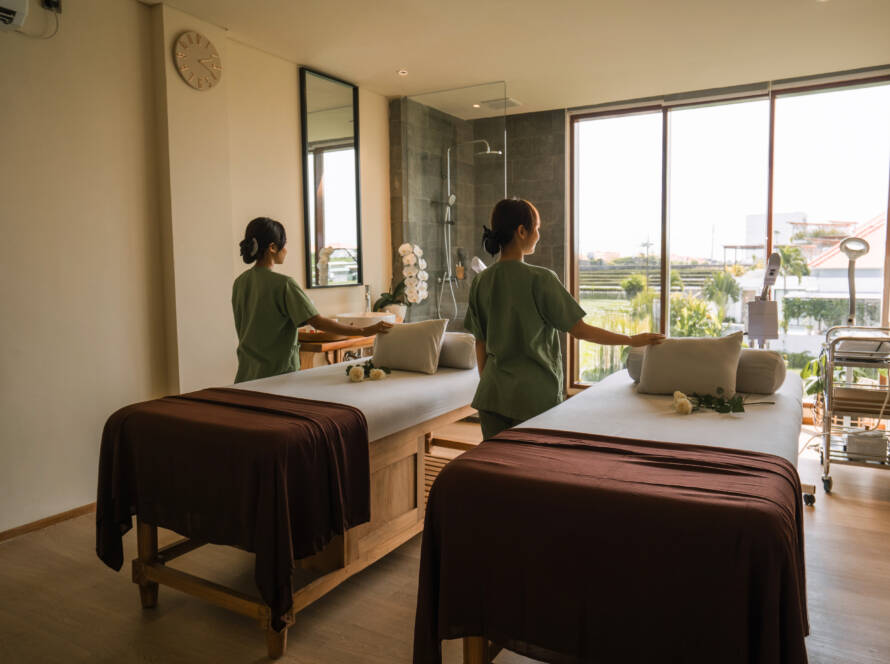
Swarna Day Spa Jimbaran is convenient for travelers staying in South Bali and focuses on traditional massage and reflexology. Swarna Spa & Wellness Canggu, located in Pererenan, offers massage alongside a broader mix of wellness and beauty services.
If your appointment is close to arrival or departure, use the practical planning tips in Swarna’s guide to massage near Bali Airport and leave realistic time for traffic.
For a longer recovery window in Pererenan, see how to create a wellness day in Canggu.
A Sample First-Day Plan in Bali
Keep the arrival day uncomplicated. After reaching your accommodation, drink water, eat a light meal if needed and spend some time outdoors according to an appropriate local-light schedule. Take a gentle walk instead of beginning with a demanding workout.
Book massage only when the transfer schedule is reliable and you have enough time to arrive calmly. After treatment, return to the local timetable rather than sleeping for several hours in the late afternoon. If a nap is necessary, keep it short so that local nighttime sleep remains possible.
This plan is intentionally simple. Jet lag is a timing problem, and filling the day with wellness activities does not make the body clock adjust faster. Massage can provide a comfortable pause inside the transition, while light exposure, sleep timing and normal hydration do the more important circadian work.
Eastbound and Westbound Arrivals May Feel Different
Jet lag is influenced by travel direction as well as the number of time zones crossed. The CDC Yellow Book explains that many people adapt more slowly after eastward travel than westward travel because advancing the body clock is generally harder than delaying it. This is why a friend’s successful arrival routine may not suit your own route.
Massage can provide a calm pause and help ordinary travel stiffness feel more comfortable, but it should remain separate from the timing tools that influence the body clock. Daylight exposure, destination-time sleep, short rather than long daytime naps and normal hydration play the larger role. Medication or melatonin requires individual timing and may interact with health conditions or other medicines, so seek qualified advice rather than copying a generic social-media schedule.
Choose a massage time that does not force another rushed transfer or a long late-afternoon sleep. If you arrive in South Bali, review Swarna’s airport massage planning guide and leave room for flight delays, baggage and traffic. Massage supports the arrival routine; it does not replace circadian adjustment.
Book a Calm Arrival, Not a Cure
Select a massage based on comfort, pressure preference and schedule. Leave room afterward to hydrate, eat and adjust to local time rather than filling the day immediately.
View current treatments and book through Swarna’s official Zenoti webstore.
FAQ
Can massage cure jet lag?
No. Massage may support relaxation and ease ordinary travel stiffness, but circadian adjustment depends primarily on time, sleep timing and light exposure.
When should I book after landing?
Book when you have had time to hydrate, settle and assess how you feel. Avoid rushing directly from a delayed flight into an inflexible appointment.
Is deep tissue best after a long flight?
Not automatically. Choose pressure according to comfort and symptoms, and communicate your travel history to the therapist.