

Reflexology and foot massage are often grouped together because both involve touch around the feet. The experience and underlying approach, however, are not identical.
A foot massage generally works with the muscles and soft tissues of the feet for comfort and relaxation. Reflexology applies pressure to mapped points that practitioners associate with different parts of the body. Understanding that distinction helps guests choose without expecting either service to do something it cannot promise.
What Is a Foot Massage?
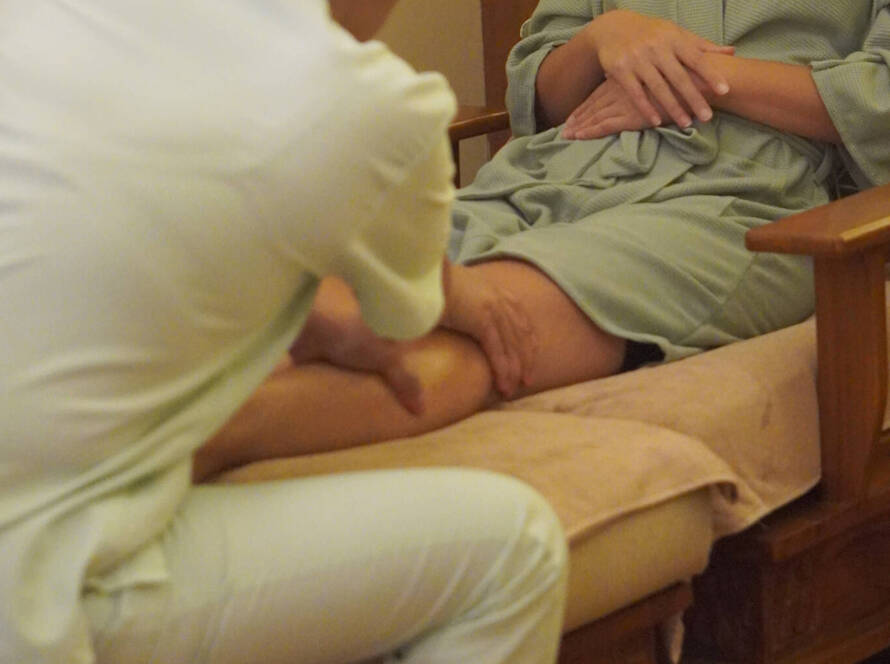
A foot massage focuses directly on the feet and sometimes the lower legs. The therapist may use rubbing, kneading, stretching and pressure according to comfort.
It can feel especially appealing after:
- Long walks around Bali.
- Standing for extended periods.
- Flights and airport transfers.
- Wearing unfamiliar sandals.
- A busy itinerary when you do not want a full-body massage.
The purpose is generally straightforward: a relaxing, localised treatment for tired feet.
What Is Reflexology?
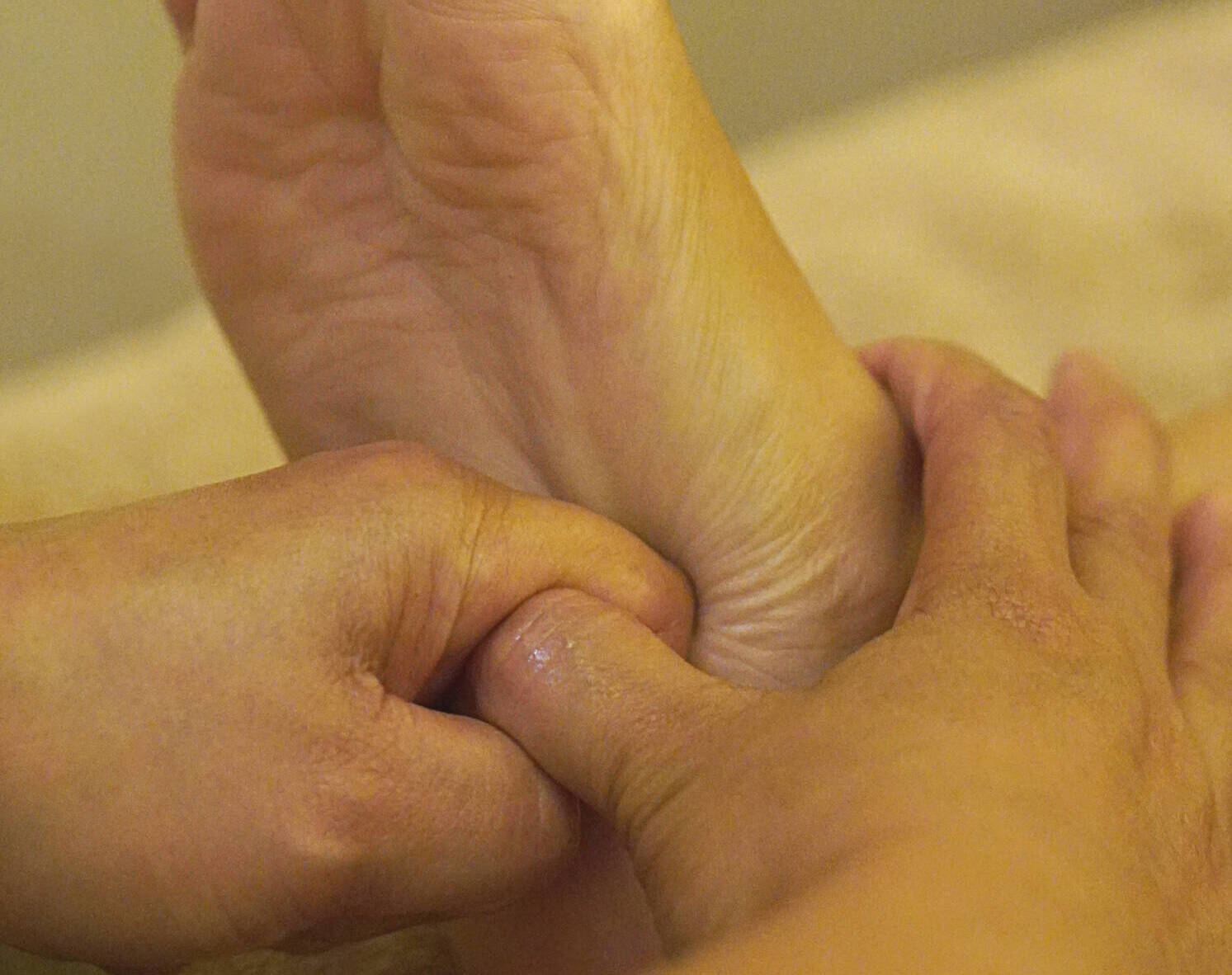
Reflexology is a structured practice in which pressure is applied to particular points on the feet or hands. Those points are traditionally believed to correspond with other areas of the body.
The US National Center for Complementary and Integrative Health notes that claims that reflexology heals corresponding body parts have not been proven. It is therefore more responsible to describe reflexology as a wellness and relaxation practice rather than a treatment for internal disease.
Swarna’s article 6 Things to Know About Reflexology in Canggu explains what a typical session may feel like and why some guests choose it instead of a full-body massage.
How the Sessions Feel Different
A general foot massage may use broader, flowing movements and address the feet as working structures. Reflexology often feels more point-specific and systematic, with sustained pressure in selected areas.
Neither must be extremely painful. Sensitive feet, injuries and pressure preferences should always be discussed before the session.
Which One Should You Choose?
Choose foot massage when:
- Your feet simply feel tired after walking or standing.
- You enjoy broader massage movements.
- You want direct attention on the feet and lower legs.
Choose reflexology when:
- You are curious about the point-based practice.
- You want a structured foot-focused wellness ritual.
- You prefer not to book a full-body treatment.
Choose based on the experience you want, not unverified claims about detoxification or curing health conditions.
When to Avoid or Modify Foot-Focused Treatment
Tell the therapist about cuts, blisters, recent sprains, fractures, swelling, skin infection, diabetes-related foot concerns or unusual pain. Some situations require treatment to be postponed or modified.
One-sided swelling, significant redness, sudden pain or other concerning symptoms should be assessed medically rather than treated as routine travel fatigue.
What Happens During the Consultation?
A useful consultation does not need to be long. The therapist should know whether you want a general foot massage or a reflexology-style session, how much pressure you enjoy and whether any area is sensitive. Mention recent walking, running, surfing injuries, blisters or ankle problems.
You can also explain how you want to spend the rest of the day. A short foot-focused appointment may fit before dinner, while a longer wellness visit might combine reflexology with a facial or a gentle massage. The services do not need to be stacked for the session to feel worthwhile.
During treatment, point-specific pressure may feel different from broad massage strokes. Communicate if a sensation becomes sharp or uncomfortable. A therapist cannot understand your personal pressure tolerance from silence alone, and requesting an adjustment is part of a professional session.
How to Choose a Session Length
A shorter appointment can work when the feet are the only focus or when reflexology is added to another treatment. A longer session allows a slower rhythm and more attention to the feet and lower legs, depending on the service description. Confirm exactly what the selected duration includes before booking.
Reflexology at Swarna
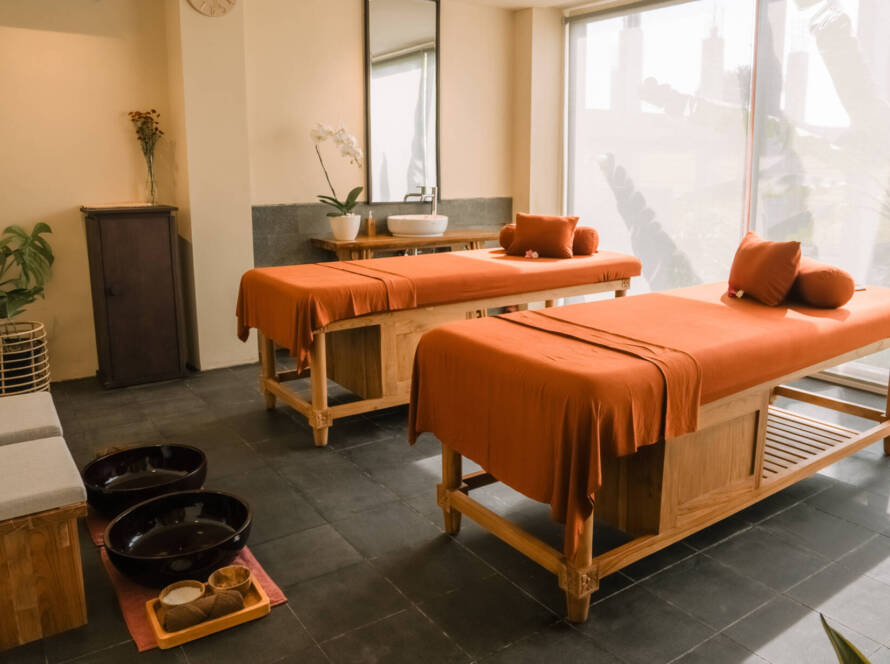
Traditional massage and reflexology are central to Swarna Day Spa Jimbaran. At Swarna Spa & Wellness Canggu, reflexology can fit into a broader wellness visit in Pererenan.
If you are comparing foot-focused care with a full-body massage, browse the complete Swarna massage and spa guide. Guests planning an airport-day appointment can also review the Swarna spa experience overview.
Book the Experience You Actually Want
Ask what the selected service includes and explain your pressure preference. A clear conversation helps avoid choosing reflexology when you wanted a general foot massage—or the reverse.
See available treatments and book your Swarna appointment through Zenoti.
FAQ
Is reflexology scientifically proven to treat internal organs?
No. Evidence does not establish that pressing foot points heals corresponding organs. Reflexology should be presented as a complementary wellness practice.
Is reflexology painful?
Point pressure can feel intense, but it should remain within your comfort. Ask the therapist to adjust.
Which is better for tired feet after walking?
A straightforward foot massage may be the clearest choice, while reflexology suits guests who specifically want the mapped pressure-point approach.